

深度解析:收易通讯合规方案的运作原理
五大核心模块
全方位满足您的业务需求
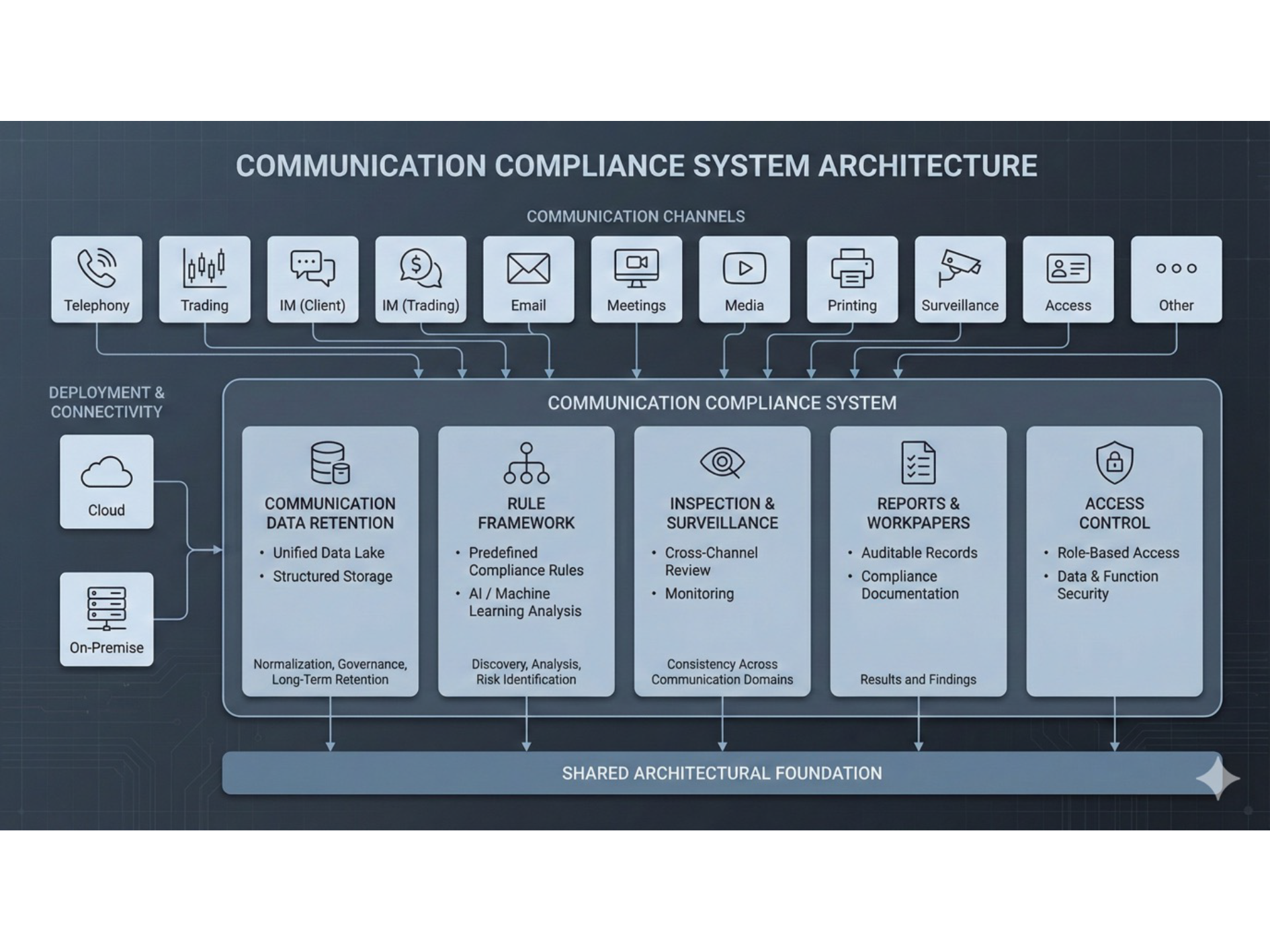
新方案:AI统一架构
通讯合规的演变:为何当前的监控方式必须改变
通信渠道
数据集成
统一数据支撑
规则及分析
合规运营
- 尽管多数机构都能成功采集通信数据,但往往难以将其完整复现以作为合规证据。当业务交互跨越消息、语音、邮件、会议等多个渠道时,梳理清晰的业务脉络变得愈发困难。关键信息常处于碎片化或数据孤岛状态,只有经过统一整合,才能完整还原业务上下文。这也导致合规团队面临一个长期挑战:数据虽已采集,却难以被整合为一份完整、可审计的业务视图。
工作原理
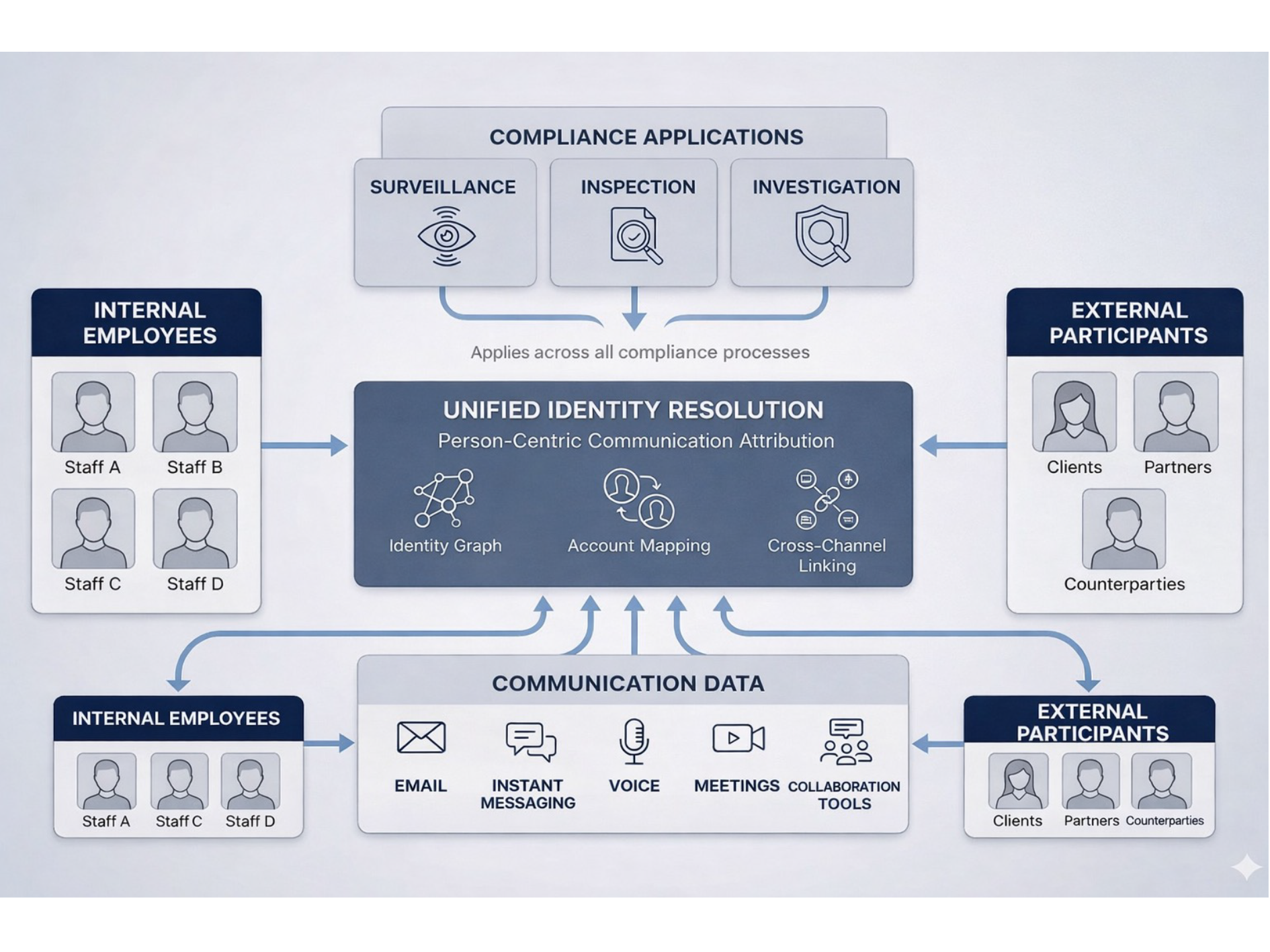
识别内部与外部参与方
为解决这一问题,该平台采用了一套覆盖内部与外部参与方的综合身份模型。内部身份直接映射至组织架构,包括部门、角色及任职状态,以确保责任归属清晰。外部身份则通过系统集成、多种通信渠道及手动录入等方式整合,并辅以强大的合并与去重机制。通过将这些分散的标识符与各渠道中的特定个人关联起来,平台能够对所有通信数据进行以个人为中心、细粒度的分析。
适用场景
统一的身份模型为所有合规功能提供标准化框架,包括规则应用、监控、检查、调查和查询。通过整合分散的标识符,确保通信记录以个人为中心进行筛选、分析和解读,从而提升准确性与监管有效性。
实施成效
这能够实现清晰且一致的通信活动归因,提高调查分析的准确性,并确保合规结果在审计和监管审查期间能够得到清晰解释和有效支撑。
工作原理
归档与策略
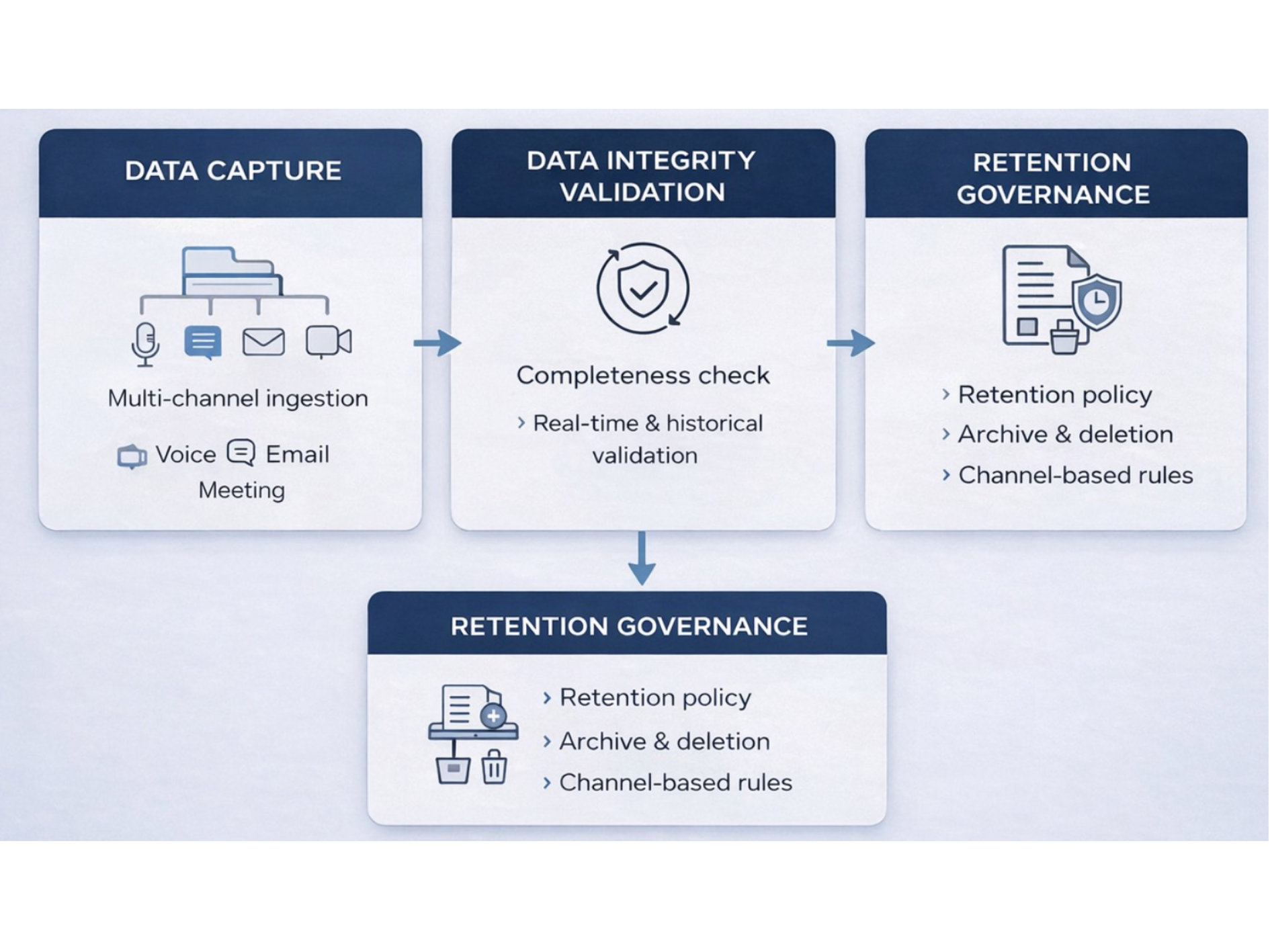
该平台通过将严格的数据完整性验证与全面的保留治理相结合,确保数据保留的可靠性。通信数据在所有渠道上持续捕获,并经过系统化验证以确保完整无缺。同时,高度可配置的保留策略使组织能够为数据保存、归档和删除定义精确的参数。这些设置可在单个渠道层面进行管理,确保与多样且不断变化的监管要求无缝对齐。
实施成效
这种方法确保通信记录保持完整、可靠,可用于审计和调查目的。同时,它有助于精确还原事件过程,并严格遵守监管保留、审计和记录保存标准。
工作原理
场景还原
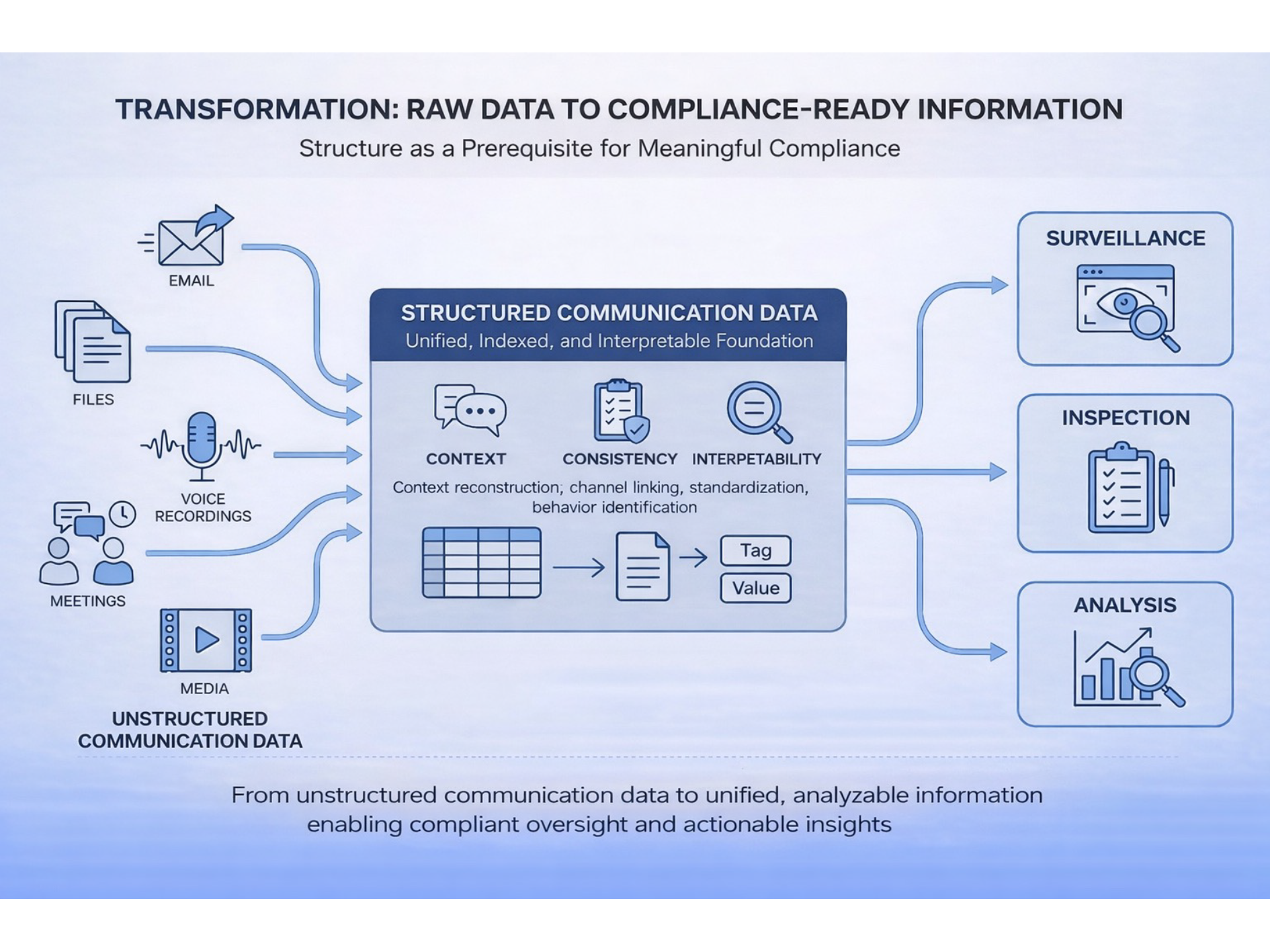
在完整通话与业务事件中还原人员相关记录,搭建各主体间有效的关联关系
标准统一
采用统一标准,对全渠道、全场景下的各类通信行为进行解析判定。
结果溯源
保障所有分析结论均可清晰阐释、有据可依。
实施成效
通信数据经过结构化处理后,将成为规则校验、行为监控与合规核查的数据基础。该体系可规模化、标准化开展风险识别与分析工作,同时还能为业务侧提供深度洞察,例如人员行为趋势、沟通往来模式等分析结论。
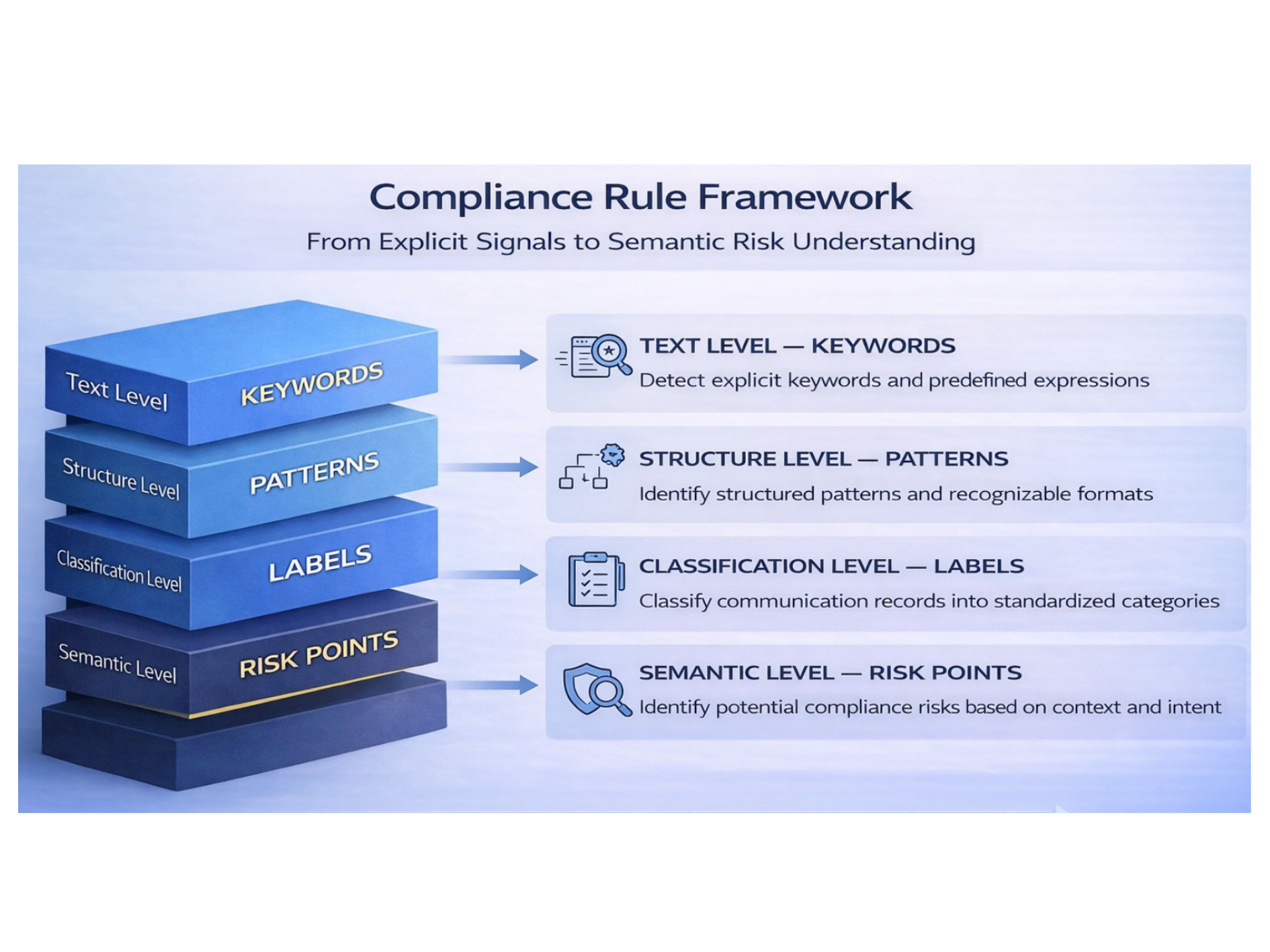
工作原理
Keyword Identification
Detects predefined keywords and sensitive terms within communication content
Pattern Identification
Identifies structured information such as contact details, identity data, and transaction-related elements
Tagging
Applies classification labels to communication records based on predefined conditions, supporting subsequent filtering and analysis
Semantic Recognition
Uses defined risk indicators to identify risk expressions that are not easily captured through rule-based matching
It allows risk detection and analysis to operate consistently and at scale, while also supporting business-side insights such as behavioral trends and communication patterns.
实施成效
Through continuous rule-based identification, compliance teams can efficiently locate risk-relevant communication records within large datasets.
This improves operational efficiency while ensuring consistency and explainability in the identification process.
It empowers your regulator
数据结构化
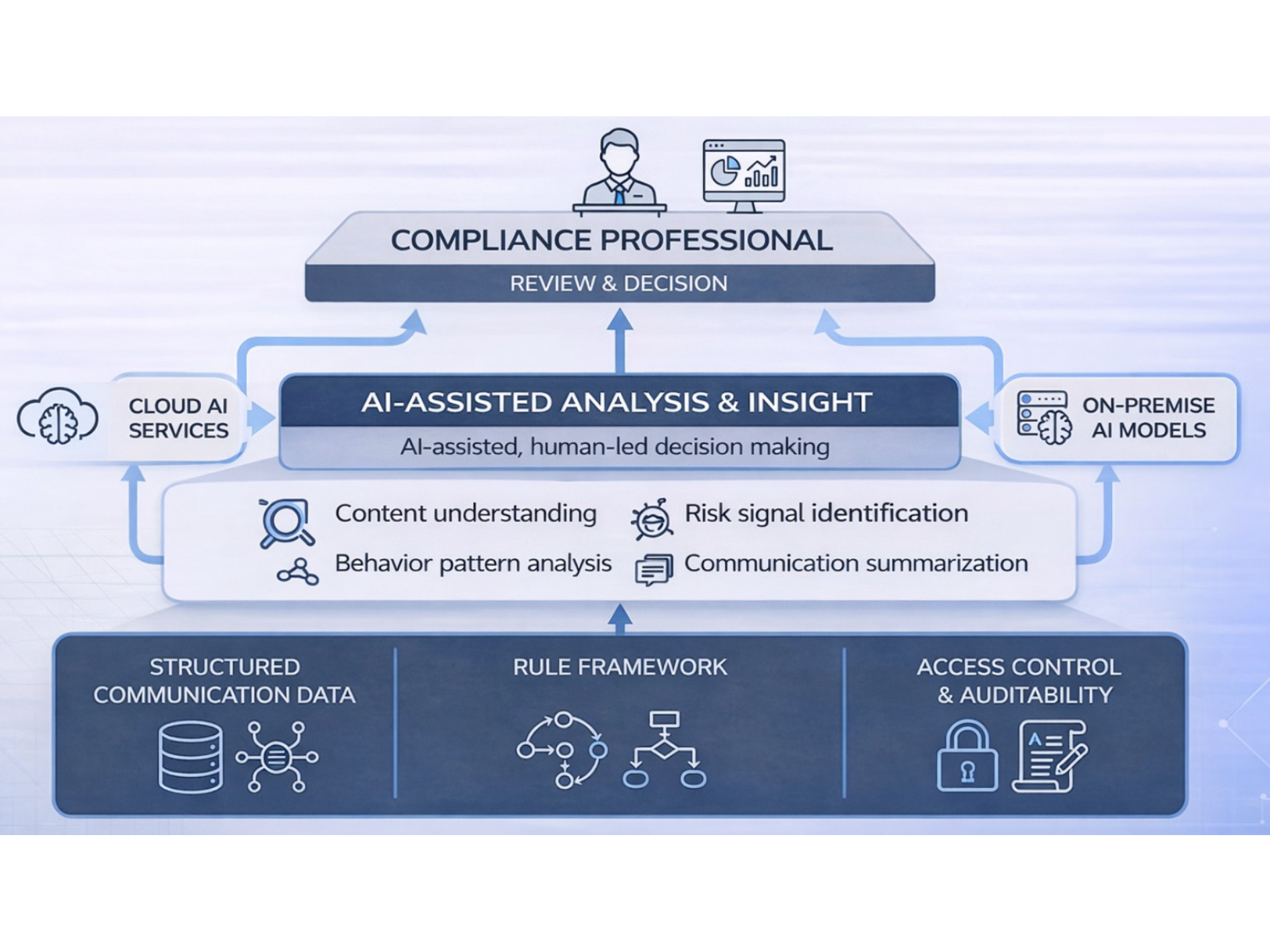
AI plays a key role in transforming unstructured communication data into usable information. For example:
• Speech recognition (ASR) converts voice recordings into searchable text
• Optical character recognition (OCR) extracts text from images and attachments
These capabilities make previously inaccessible data available for analysis
Behavioral Recognition and Monitoring
In certain scenarios, AI is used to identify behavioral patterns and communication characteristics.
For instance, in video surveillance contexts, AI can assist in detecting specific behaviors or anomalies, helping to surface situations that may require further attention.
Semantic Analysis in Inspection
This helps identify more complex or implicit risk scenarios that may not be captured through rule-based methods alone.
AI provides context and insight, but does not determine compliance outcomes.
Analytical Support in Investigation
In investigation, AI is used to support more advanced analysis, including:
• multi-dimensional association and relevance analysis
• identification of key stages within an event
• early identification of potential risk signals
These capabilities help narrow down large datasets and assist in reconstructing how an event developed over time
It allows risk detection and analysis to operate consistently and at scale, while also supporting business-side insights such as behavioral trends and communication patterns.
Human-Led Decision Making
Across all stages, AI serves as an analytical aid rather than a decision-maker.
Final judgments—particularly those related to risk or compliance—are always made by human professionals. This ensures that outcomes are:
• context-aware
• explainable to regulators
• aligned with internal policies and governance standards
This improves operational efficiency while ensuring consistency and explainability in the identification process.
Trade Recontruction
Fifone’s Trade Reconstruction solution automates the creation of comprehensive audit trails by unifying transactions, communications, market data, and news. Using AI and machine learning, our platform consolidates structured and unstructured data across all asset classes into a single view, streamlining compliance with just a few clicks.
Structured and Unstructured Data Ingestion including
Voice and text communications, emails, meetings and 3rd party surveillance dataCommunication Filtering
Filter irrelevant data basing predefined criteriaCommunication Matching
Match specific transaction with the unique ID (condition)Reconstruction adjustment
Manually fine tuning the final outcome
Report
Every regulatory analysis task generates a structured report that comprehensively documents the scope, review methodology, and final outcomes. These reports enable organizations to reconstruct the review process, facilitate internal validation, and address regulatory inquiries with transparent, defensible evidence.

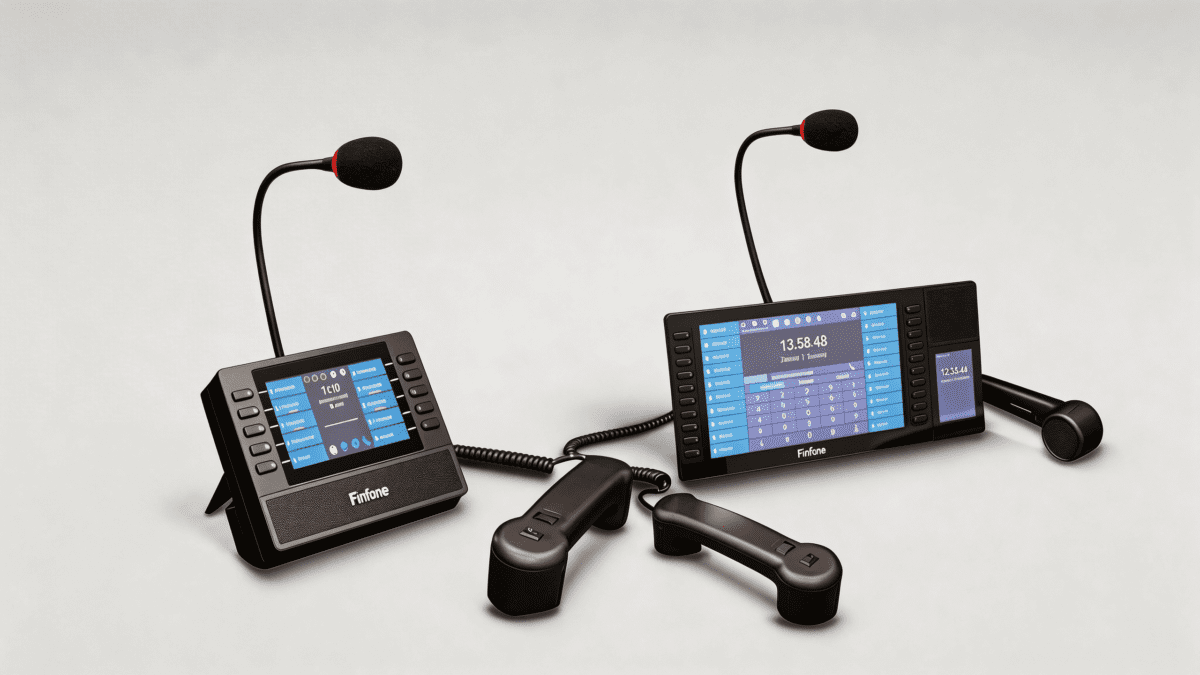
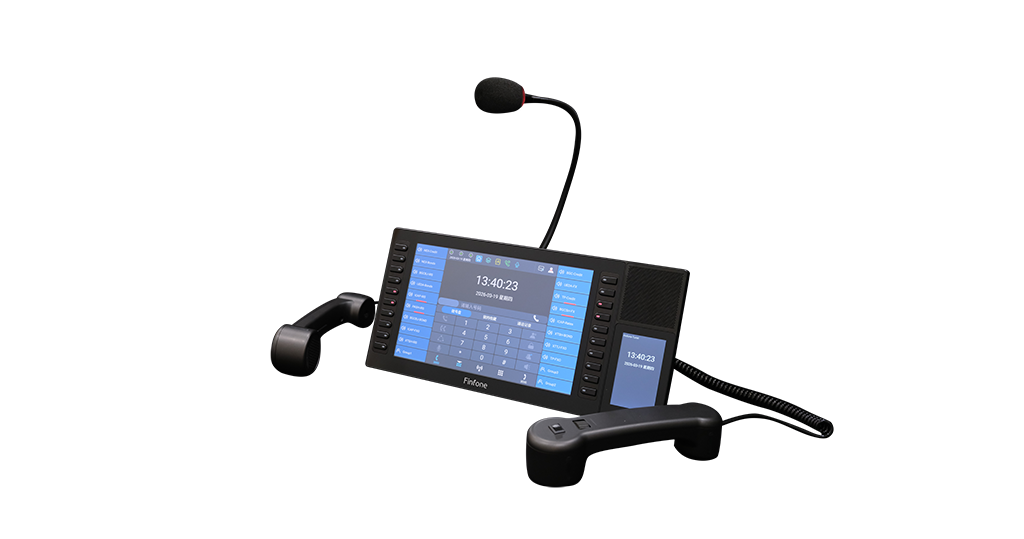
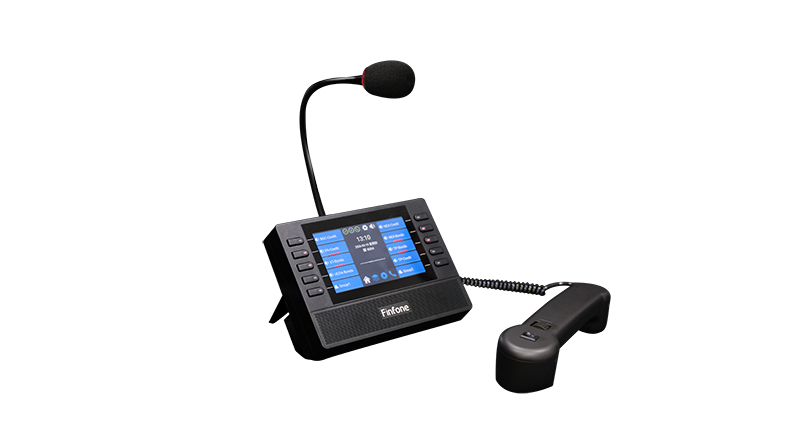
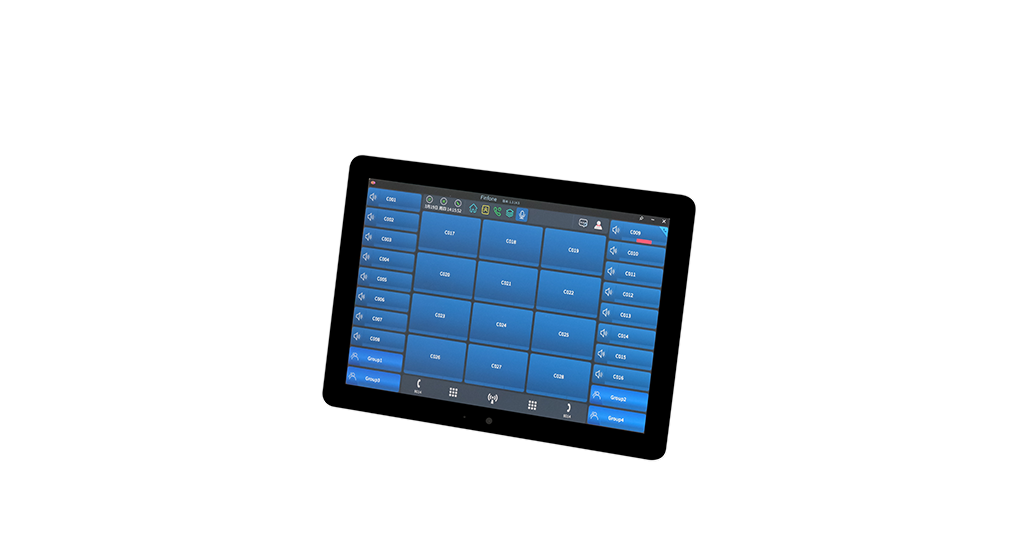
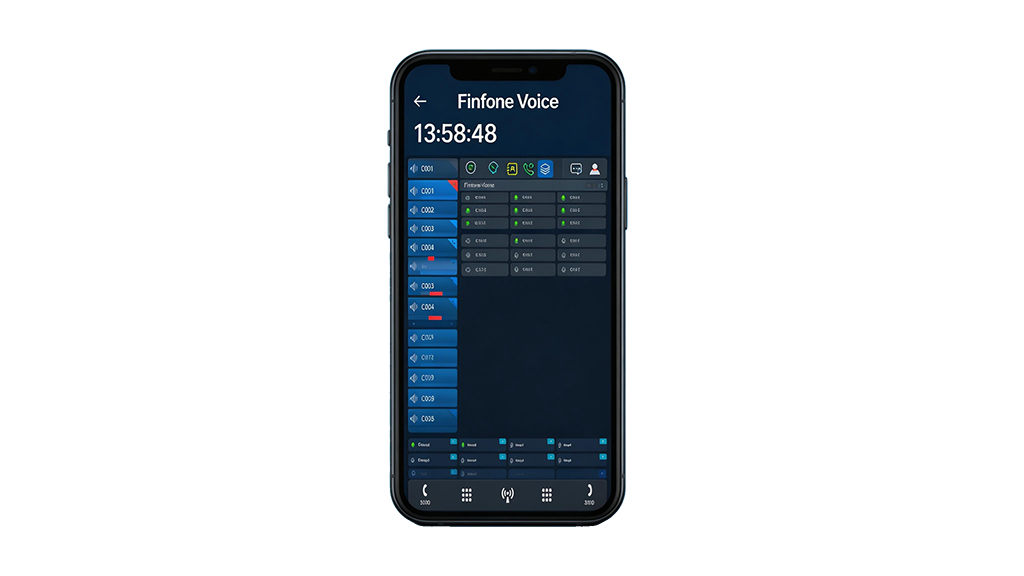
我适合哪种交易终端?
- 业务上需要多少条经纪人线路?
- 是否有高频电话业务需求?
- 设有多个销售团队,且存在跨团队协作需求。
- 是否需要汇总已成交订单,用于 KPI 考核与业务分析?
为什么选择收易?

更智能的平台
打造高端交易通信生态体系,支持云端或本地私有化部署;依托全系列 FF 平台套件,深度融合自研专属 FF 人工智能能力。

一站式产品组合
我们提供一体化创新交易通信解决方案,涵盖高端通信平台、合规录音及全流程监管合规服务。

成熟的交付方案
深耕电信与交易室领域二十余年,凭借成熟的支持技术和专业的服务,为客户提供优质的解决方案。我们始终坚守研发投入与持续创新的初心,夯实企业核心发展根基。